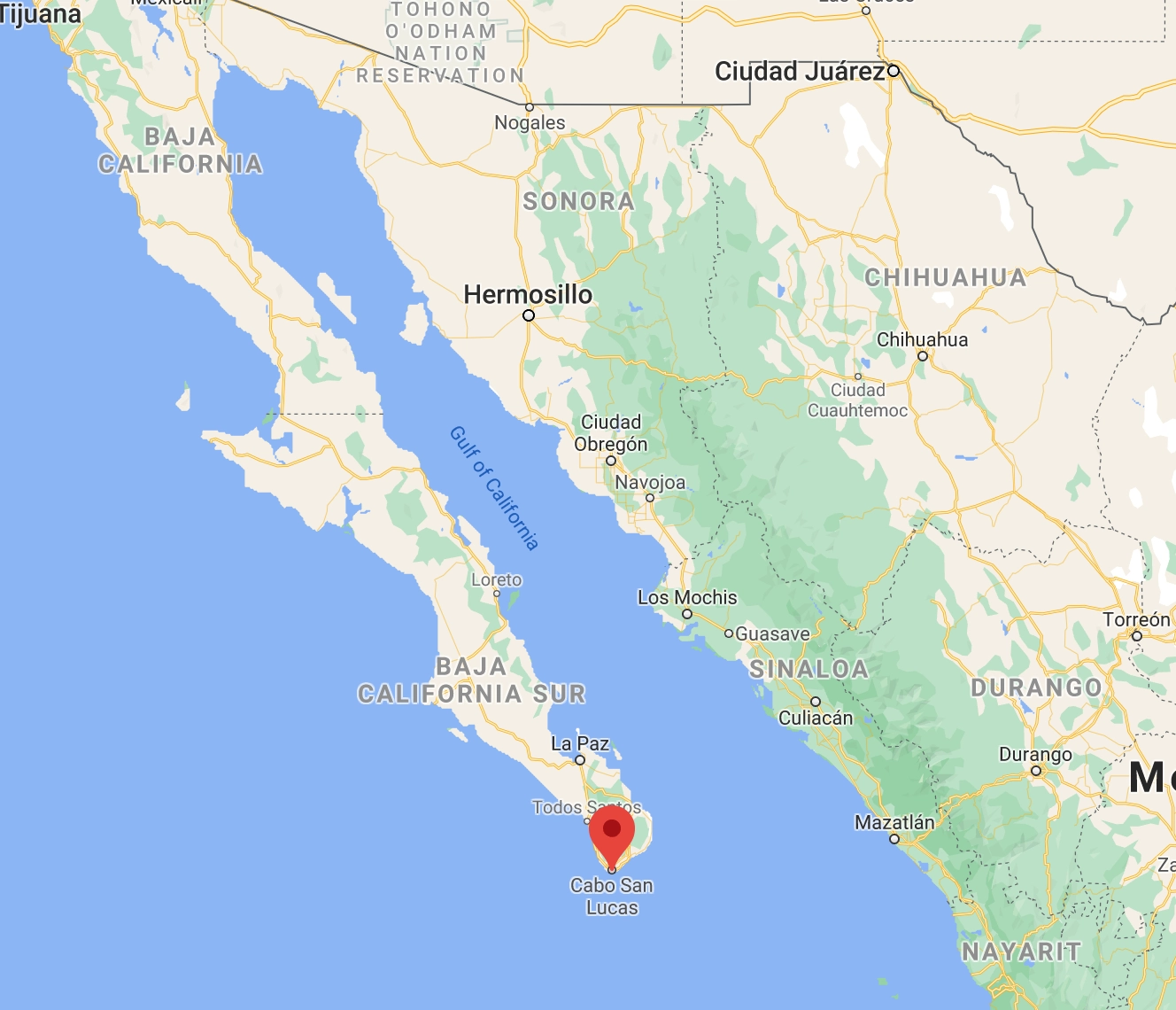
Modern resort properties throughout the Tourist Corridor operate with far more structural resilience than they did a decade ago. Extensive building code reforms following severe storms in previous cycles mandated on-site power generators, dual-source water desalinization plants, and hurricane shutters capable of withstanding Category 4 wind pressures.
Inside the major all-inclusive properties, guest security plans activate automatically once a storm crosses regional tracking coordinates:
Outdoor furniture, palapa umbrellas, and pool loungers disappear into subterranean storage at the first official warning. Food service consolidates from open-air terraces into fortified indoor banquet halls. Engineering teams secure localized drainage systems, diverting desert runoff around guest wings toward designated arroyo spillways.
For international travelers, the primary challenge is rarely hotel stability, it is logistics. The Transpeninsular Highway remains the sole transit lifeline connecting Cabo San Lucas to Los Cabos International Airport (SJD) in San Jose del Cabo. When mountain runoff sweeps down dry creek beds, sections of the highway can experience temporary closures. Experienced operators urge travelers to check road condition alerts hours before their departure window, rather than attempting to navigate flash-flooded corridors in rental sedans.