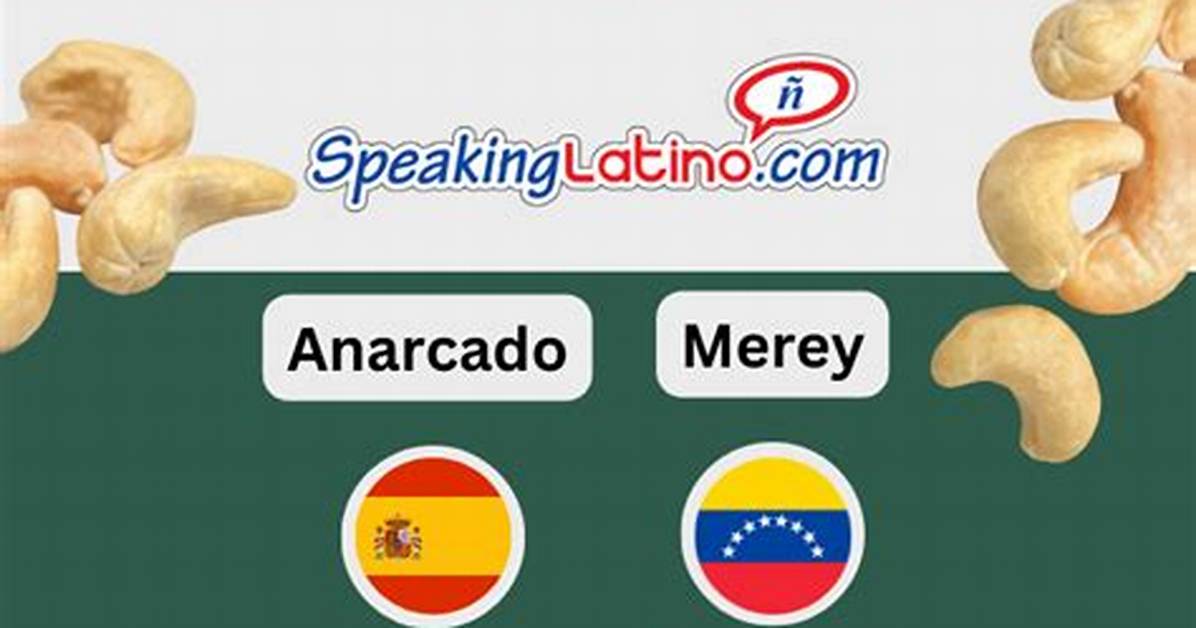
Much of the vocabulary confusion stems from the unusual anatomy of the plant itself. Botanists classify Anacardium occidentale as an evergreen tropical tree that produces two distinct edible structures. What culinary consumers identify as the "nut" is technically an edible seed encased inside an exterior, kidney-shaped drupe. This drupe grows suspended beneath a swollen, vibrant red or yellow stalk known botanically as a pseudofruit, or accessory fruit.
In English, this fleshy stalk is called the cashew apple. In Central and South America, however, the pseudofruit takes center stage in local markets under names like manzana de marañón, pera de marañón, or simply marañón. It is astringent, intensely sweet, and loaded with five times more vitamin C by volume than an orange. Locals blend it into pulpy juices, simmer it into dark preserves, or ferment it into regional spirits. Because the delicate cashew apple bruises easily and spoils within 48 hours of harvest, consumers outside tropical growing belts rarely encounter it, creating an odd conceptual gap for foreign shoppers.
The hard shell encasing the seed carries an aggressive chemical defense: an oily resin containing anacardic acid and urushiol, the same allergen found in poison ivy. Processing raw cashews requires intense heat-treating, boiling, or roasting to strip away this caustic shell oil before human consumption. In indigenous Amazonian culinary traditions, roasting the drupe over an open fire burned off the toxin while releasing the sweet, fatty nut meat inside, a process documented by colonial botanists who marveled at how local populations safely extracted the seed.