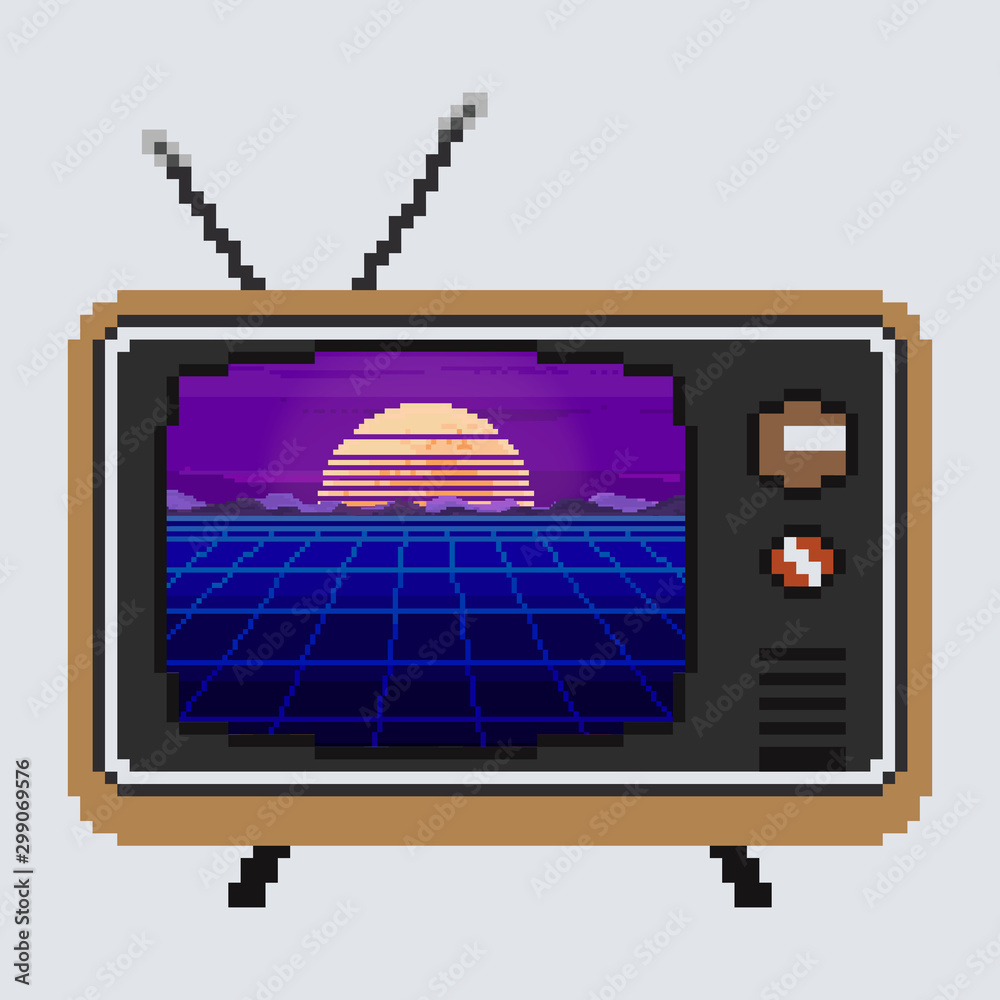
The deeper sociological explanation for the rise of ambient desktop displays lies in cognitive fatigue. Most knowledge workers and gamers spend 8 to 14 hours daily staring into ultra-dense screens packed with text, open tabs, chat notifications, and high-fidelity video streams.
Every additional high-resolution screen placed on a desk demands focal attention. A tablet used as a secondary slack display or an iPad used as a status board still emits sharp, bright, text-dense light that strains focus.
HIGH-DENSITY SCREENS (Phones / iPads / Monitors)
[ High Text Density ] -> [ Reads Every Word ] -> [ Context Switching & Fatigue ]
LOW-RESOLUTION PIXEL SCREENS (16x16 / 32x32 LED Matrix)
[ Abstract Color & Motion ] -> [ Peripheral Glance ] -> [ Instant Awareness / Zero Strain ]
An 8-bit animated screen operates on a different cognitive register. You do not "read" a 32x32 pixel canvas the way you read a webpage. A quick glance out of the corner of your eye registers a pixelated blue umbrella icon, telling you rain is coming without forcing you to switch tabs or open a weather application. The visual information exists at the boundary of your field of view, present, comforting, but rarely intrusive.
By stripping graphics down to their bare structural minimums, pixel art evokes an emotional reaction rather than an analytical one. It softens the corporate atmosphere of remote work setups, anchoring the space with visual levity.