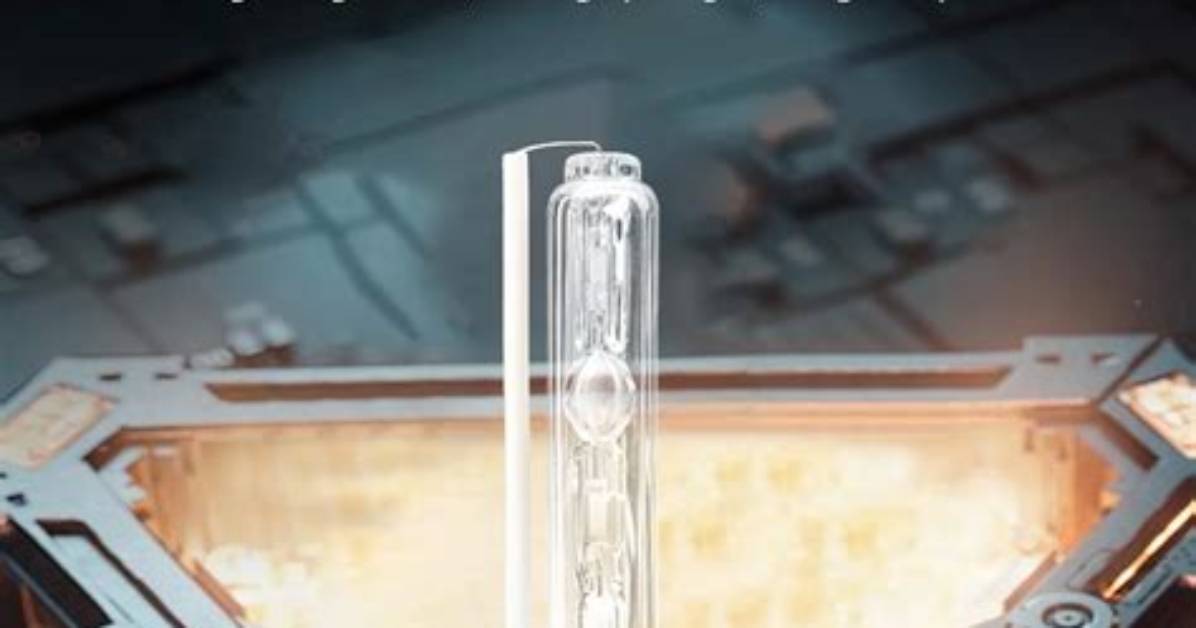
The supply dynamics of xenon stand apart from almost any other industrial commodity. Production cannot expand simply by spending more capital on exploration; it remains tied directly to the scale of global liquid oxygen extraction.
| Sector / Application | Primary Function | Substitution Viability | Market Vulnerability |
|---|---|---|---|
| Aerospace Propulsion | Propellant for ion engines and Hall-effect thrusters | Moderate; krypton/argon possible at reduced efficiency | Extreme; price surges disrupt commercial constellation economics |
| 3D NAND Semiconductor | High-aspect-ratio plasma etching of multi-layer dies | Low; alternative gas blends degrade vertical trench yield | Critical; directly affects global memory supply and wafer pricing |
| Fundamental Physics | Scintillation target for dark matter direct detection | Near-zero; alternative media (argon) have higher intrinsic background | High; multi-ton procurement can distort commercial spot rates |
| Advanced Medicine | Neuroprotective anesthesia and hyperpolarized MRI | Low; distinct NMDA-receptor mechanics and polarization physics | Moderate; high costs limit clinical adoption outside elite research hospitals |
This structural squeeze has triggered intense industrial gas market volatility. Industrial gas majors such as Air Liquide and Linde have rolled out on-site gas capture and recovery systems directly inside chip fabrication plants. When a standard semiconductor fab can bleed tens of thousands of dollars of rare gas into the exhaust stack every shift, point-of-use recycling shifts from an experimental green initiative into an immediate operational necessity.