
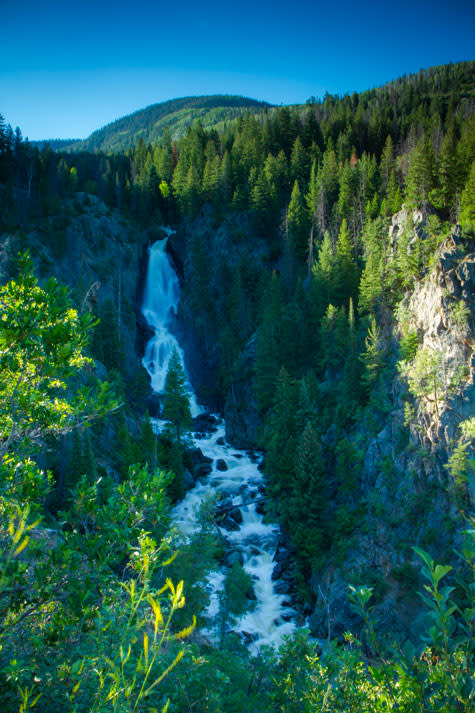
Every spring, melting snow across the Continental Divide turns Fish Creek into a violent flume. Flow rates regularly climb above 500 cubic feet per second during late May and early June. The sheer volume of water generates dense spray that slicks granite boulders throughout the canyon base.
US Forest Service trail alerts explicitly warn recreationists against improvised water crossings. Attempting to hop slick boulders or wade across the stream above or below the damaged footbridge presents an extreme risk of hypothermia and drowning. The cold water temperature stays just above freezing, stripping muscle control within minutes. Search and rescue crews in Routt County have historically mobilized multiple times per season when hikers underestimate the traction on wet river rocks.
Wildlife encounters are also elevating local cautions. Early spring melt pulls black bears and moose toward riparian canyon bottoms where first vegetation emerges. With trail traffic concentrated along smaller viewing corridors, wildlife encounters along the canyon approaches require increased distance. Hikers must carry bear spray and keep all dogs on short leashes.

_6ecb374ec78ad432ed518bf6944fc1f870dbf9d8_public.png)

