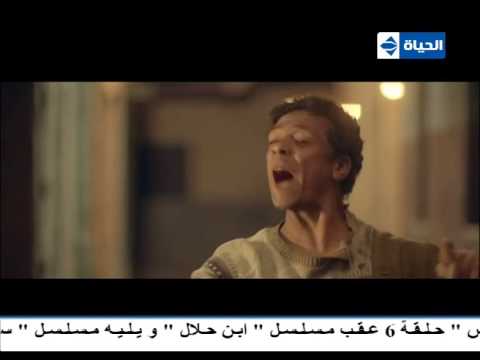
The second life of Meskar's harassment scene raises uncomfortable questions about digital entertainment. In the narrative framework of Ibn Halal, the encounter establishes the cruelty of the surrounding environment, showing how society's weakest members bear the brunt of informal neighborhood tensions. Habisha's intervention marks him as an honorable protector before institutional corruption pulls him into vigilantism.
When young audiences isolate those thirty seconds for viral trends, the narrative context disappears. Some Arab digital commentators argue that converting genuine depictions of emotional torment into punchlines blunts public empathy. Others see the trend as an organic democratization of television history. Stripped of highbrow critical pretenses, everyday users claim the scenes that move them most, keeping Hamza El Eily’s tour de force alive in collective memory far longer than transient seasonal productions.
Digital analytics show that search queries for full Ibn Halal episode recaps surge whenever a Meskar clip crests on TikTok. The meme functions as an organic marketing funnel, steering teenagers back to a 2014 serial that defined early-career Mohamed Ramadan before his transition into stadium pop concerts and hyper-commercial action cinema.