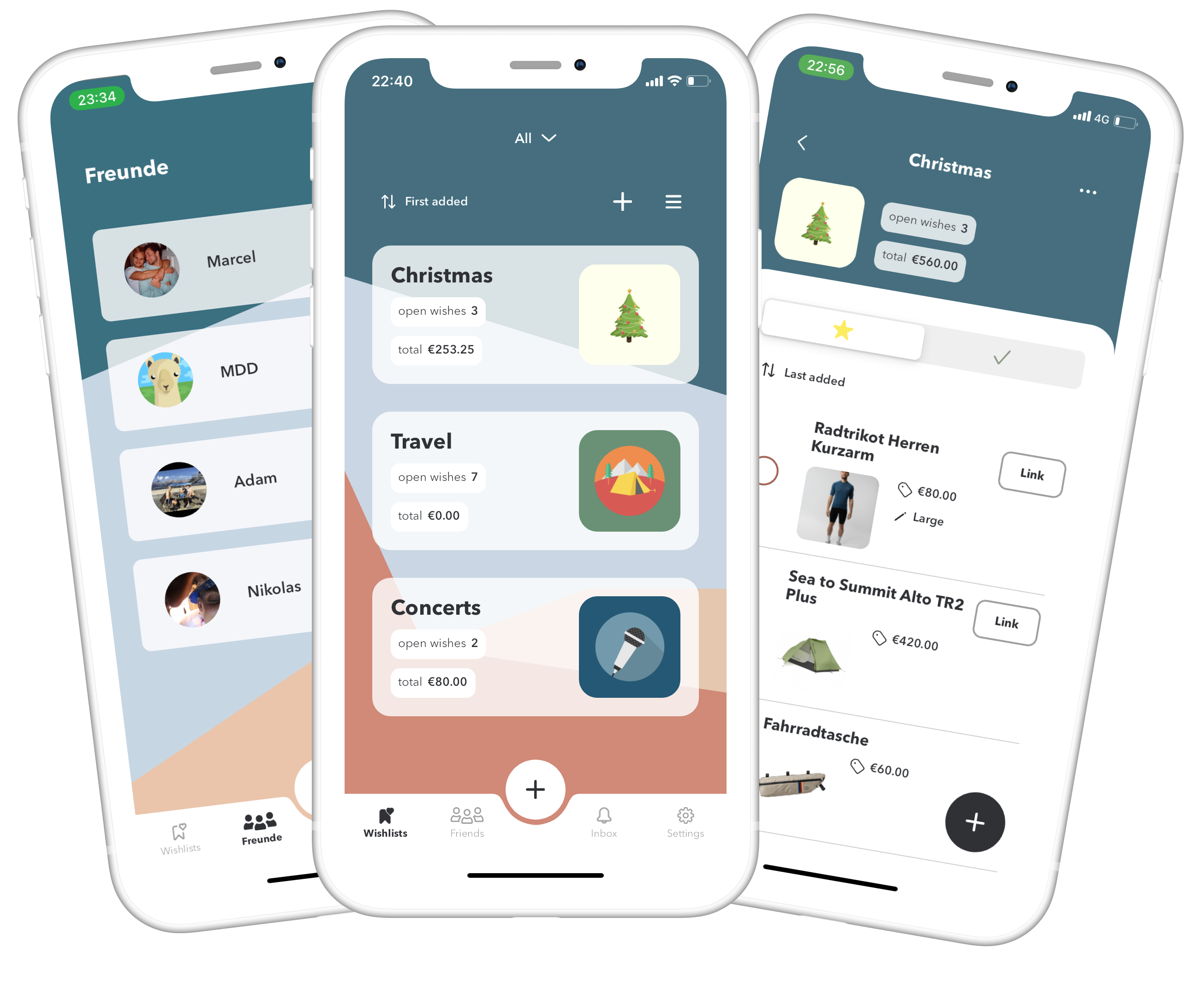
Rapid adoption always invites rigorous technical scrutiny. When an independent utility suddenly commands millions of downloads, cybersecurity teams and privacy advocates dissect the underlying infrastructure. Digital wishlist apps handle high-intent commercial data: names, residential addresses, personal style preferences, clothing sizes, and direct links to consumer transaction pipelines.
GoWish’s data architecture operates under European GDPR regulations due to its Danish origin, providing a stronger baseline regulatory shield than many US-based growth startups. However, tech watchdogs have highlighted two technical areas that users must monitor:
First, cross-platform wish list platforms rely on web scrapers and link rewriting. When a user pastes a product link from an external retailer, the software often wraps that URL in an affiliate tracking redirect. This practice generates the platform's primary revenue stream without charging users subscription fees. While standard across modern web publishing, users must understand that their outbound clicks are actively tracked and attributed for conversion analytics.
Second, list visibility settings require conscious management. GoWish allows lists to be configured as public, link-only, or private. During viral onboarding surges, many users fail to adjust default sharing permissions. Public profiles can inadvertently expose personal wish lists, and the specific home delivery addresses linked to them, to search indexing or broader platform feeds. Maintaining tight circle permissions is essential when sharing lists with children or publishing lists with expensive hardware requests.