Q1: What is the exact difference between Si m 7 and Bm7?
A1: There is no musical difference; they are two notations for the exact same chord. "Si m 7" uses the fixed-do solfège system common in Romance languages (French, Spanish, Italian, Portuguese), while "Bm7" uses the standard letter notation used in English- and German-speaking music production. Both specify a B minor seventh chord consisting of B, D, F♯, and A.
Q2: Why does Bm7 sound warmer and less sad than a standard B minor chord?
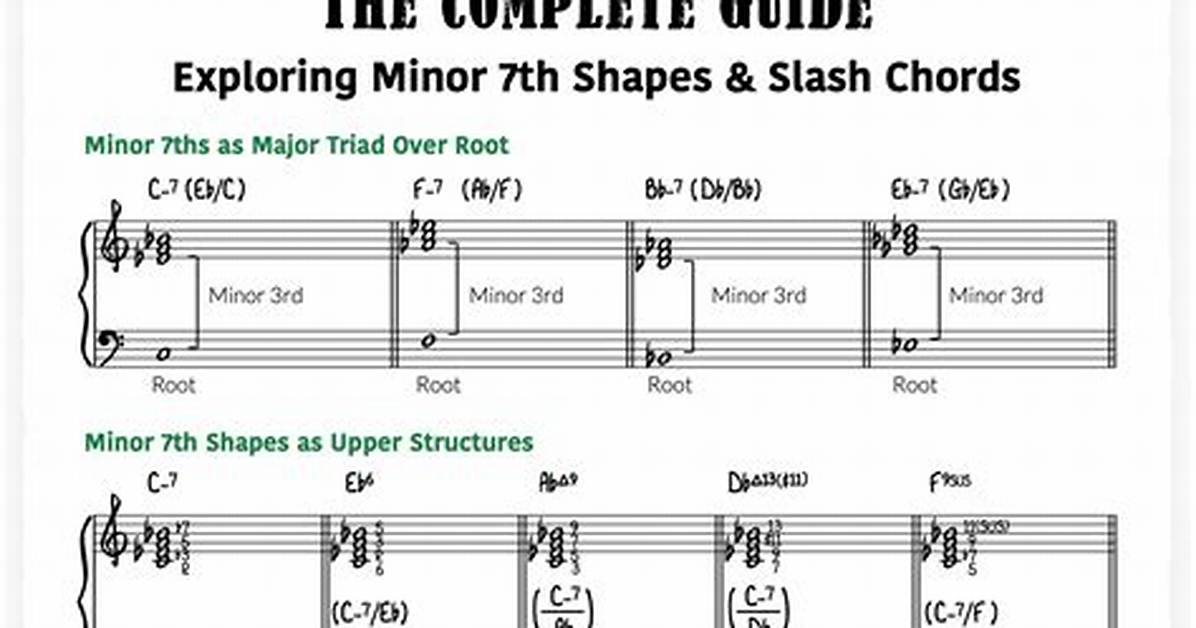
A2: A standard B minor triad contains only the root, minor third, and fifth, which forms a stark, brooding sound. Adding the minor seventh (A) creates an internal major third interval between the D and the A, blending major and minor textures. This softens the chord's sadder edges into a nostalgic, introspective warmth.
Q3: What are the most common chord progressions that use Si m 7?
A3: In pop and R&B, the most common patterns are the relative-major turnaround Bm7, Gmaj7, D, A, the classic jazz/neo-soul progression Bm7, E7, Amaj7, and the two-chord modal vamp Bm7, Em7, which forms the harmonic skeleton for thousands of streaming lo-fi tracks.