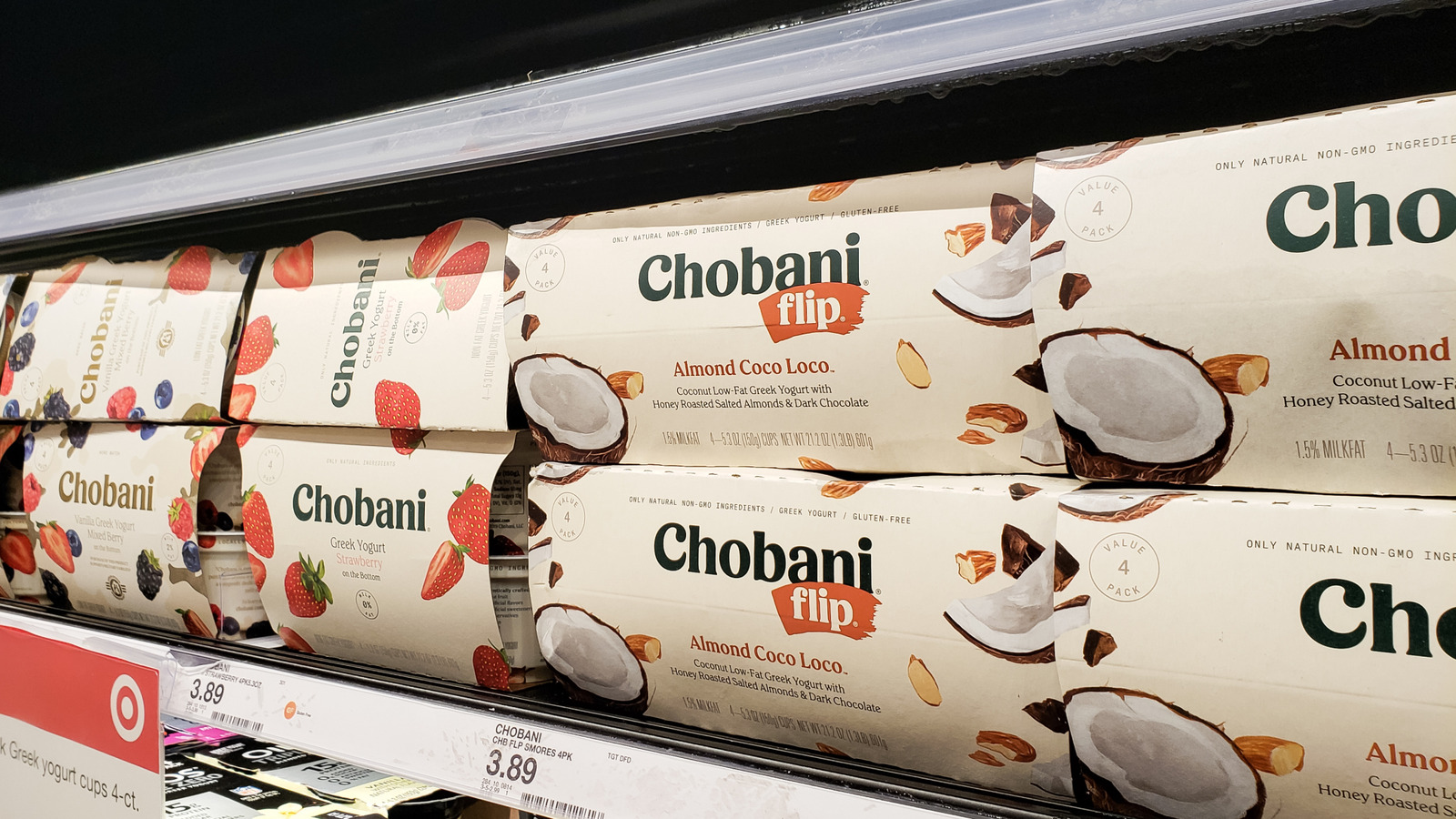
Texture explains why cookie-inspired yogurt consistently outperforms fruit-focused alternatives. When you fold graham crumbs, pretzel pearls, or cocoa disks into thick cultured dairy, the fat layer on the chocolate and baked crisps resists water absorption. You get a distinct snap with every bite. The contrast between chilled, dense cream and a shattered biscuit creates a rewarding physical sensation.
Fruit-themed cups struggle with structural chemistry. Dried fruit additions like the dehydrated bits in Peach Cobbler or Apple Pie Twist hydrate unevenly. They pull water from the cultured milk, transforming into gummy pockets that stick to your teeth.
The flavoring agents also present an obstacle. Simulating shortbread or cocoa requires standard confectioner fats and cocoa butter, which dissolve predictably at body temperature. Simulating baked peach or cooked strawberry relies on concentrated esters and malic acid. When blended into cultured milk that is already naturally sour from fermentation, the fruit flavor turns sharp, chemical, and synthetic.
Key Lime Crumble stands as the lone exception to the fruit rule. Lime carries high natural citric acidity, so it complements the sour profile of low-fat Greek yogurt. Paired with sweet graham crumble and white chocolate, the resulting mixture delivers an authentic key lime pie taste rather than an artificial mashup.