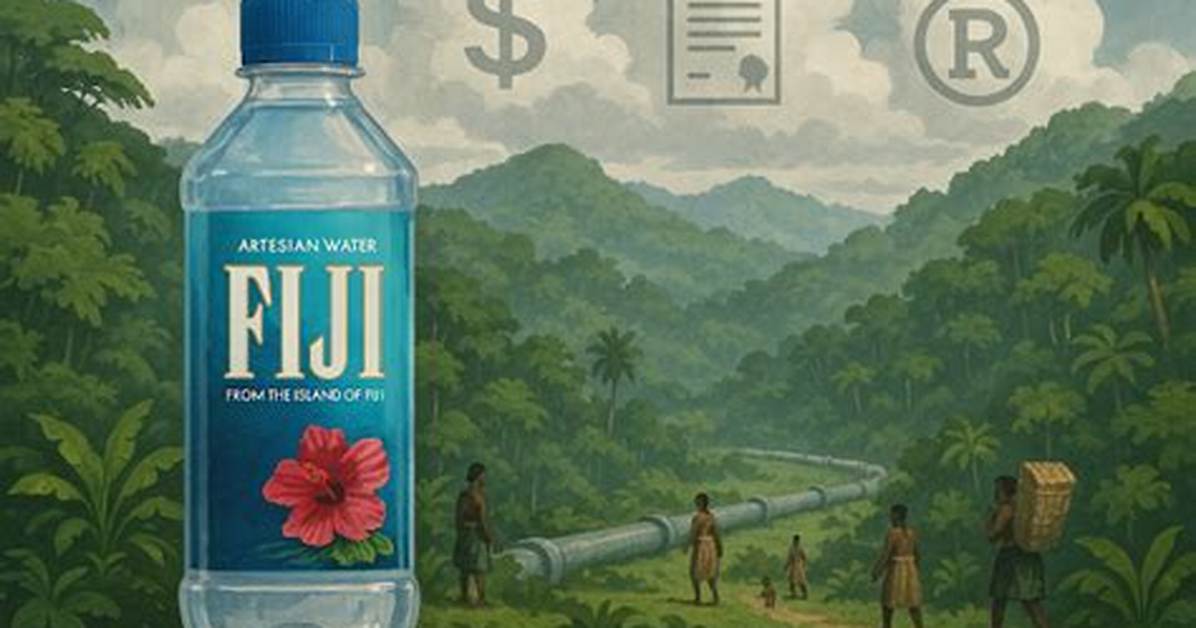
Modern consumers have grown increasingly skeptical of high-end bottled water brands. For Fiji Water, the core challenge is not sales volume, but maintaining a premium aura while facing persistent criticism over plastic waste and ethical equity. Transparent plastic manufacturing relies on petrochemical supply chains, and freight transportation burns thousands of metric tons of maritime bunker fuel.
Fiji Water has responded by shifting its standard bottle lineup toward 100% recycled plastic (excluding caps and labels) and highlighting its role as one of the largest private-sector employers in Fiji. The company pays above minimum wage on the island, provides health clinics, and supports school programs. Yet the fundamental dynamic remains unchanged: natural resources are extracted from a developing Pacific nation to quench the thirst of suburban consumers on distant continents, channeling private profits back to a holding company in Southern California.